Tag Archives: food styling

Arabian kofta

 Kofta or Kufta is a simple dish, small balls of minced meat – usually lamb or mutton blended with fresh herbs, aromatic spices, garlic and/or onions. These meatballs are very popular in Middle Eastern countries like UAE, Lebanon, Syria, Morocco, and there is no fixed recipe, each cook adds their favourite spices like chilli, cinnamon or cardamom. I highly recommend you to not omit fresh herbs; mint, coriander and parsley give kofta amazing freshness. Lamb meat is often used for kofta, but if you don’t eat lamb meat or it’s too fatty for you – you can easily substitute it with beef; in that case I suggest you to add a tablespoon of olive oil or butter for richness. And of course, the meat should be finely minced.
Arabian Kofta
 Kofta meatballs can be grilled, fried or even baked. Serve them with rice, fresh tomatoes and olives. I love to eat them wrapped in Arabic bread with a slice of roast eggplant, tomato and chopped fresh herbs, and dipping this lip-smacking wrap into hummus. 🙂
Arabain Kofta - lamb meatballs

Arabian kofta

  • Servings: 28 small meatballs
  • Difficulty: easy
  • Print

Ingredients Arabian Kufta

500g finely ground lamb
100ml sparkling mineral water
2-3 garlic cloves, minced
1 Tbsp fresh mint leaves, finely chopped
3-4 Tbsp fresh coriander leaves, chopped
1 tsp cumin
1/2 tsp cinnamon
1/2-1 tsp harissa paste, optional
S&P to taste
2 Tbsp olive oil for frying
Garnish
Arabic bread, hummus, chopped iceberg and herbs
  1. In a large bowl, mix meat with water. Add garlic, herbs, spices, season to taste and mix throughly with you hand.
  2. Form small meatballs, the size of walnut.
  3. Heat the frying pan with oil, add kofta meatballs and fry all over for 6-7 minutes or until cooked through.
  4. Serve with bread, lettuce, herbs and hummus, if desired.
Enjoy!
Kofta- Arabian lamb meatballs

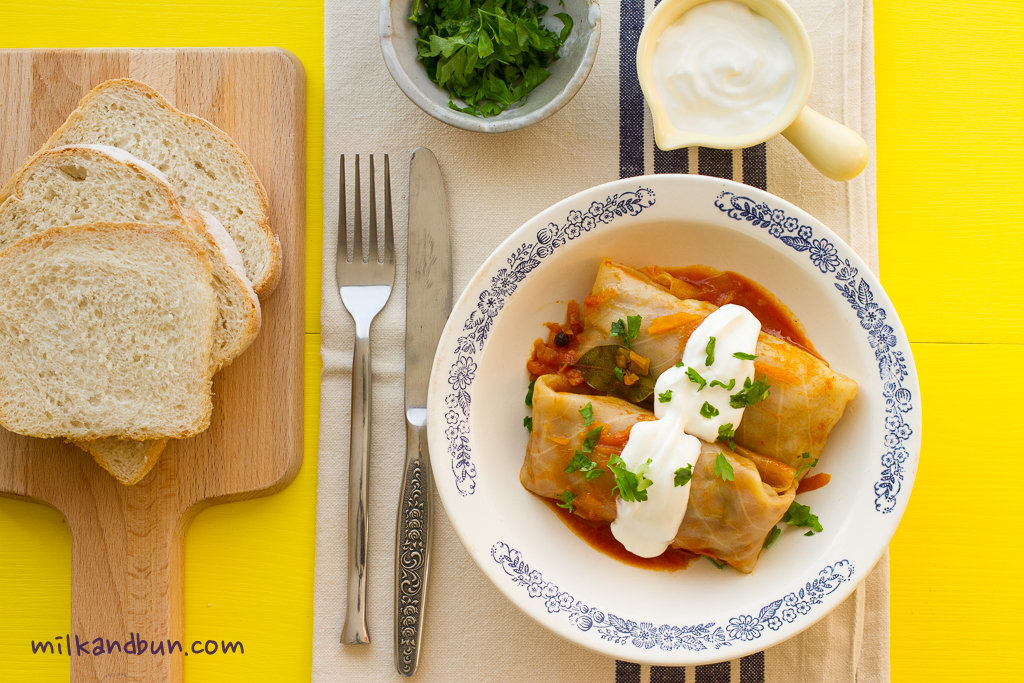
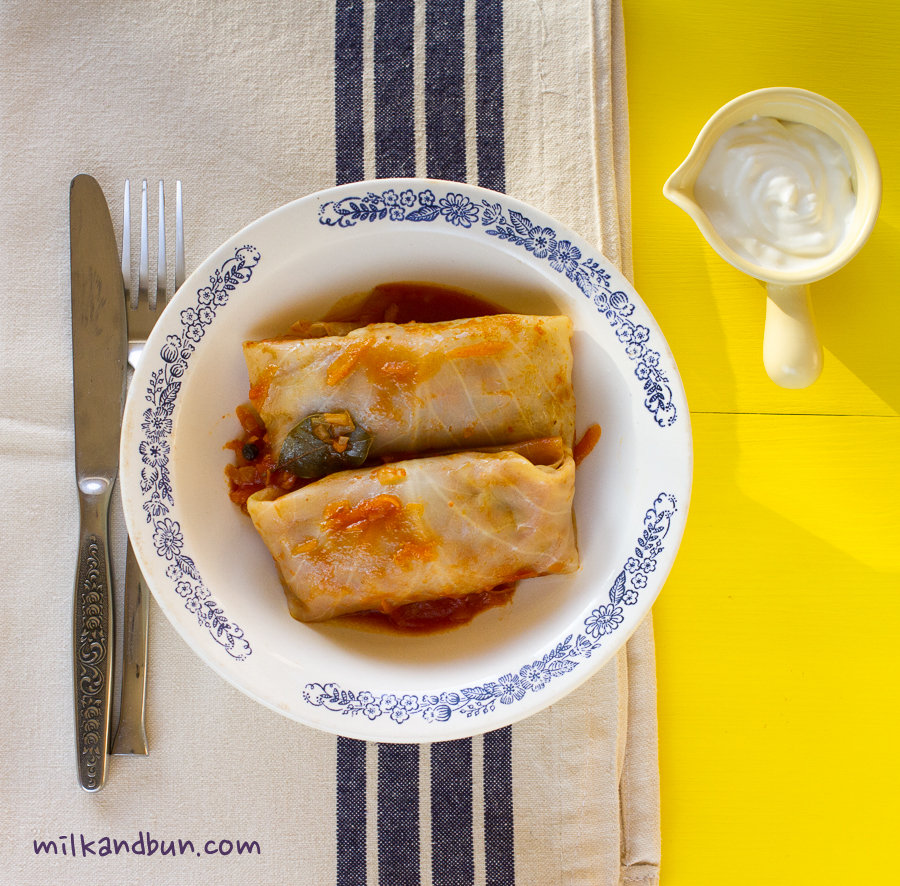
Golubtsi – Russian stuffed cabbage rolls

Stuffed cabbage rolls is a very popular dish in many countries over the world. In Russia, it’s called ‘golubtsi’ – white cabbage leaves stuffed with sautéed ground pork or beef and rice or buckwheat.
 Originally, cabbage leaves were stuffed with meat mixed with millet porridge and the dish was named ‘galushi’. But in 18-19th centuries France had a great influence on Russian cuisine, at least for the upper classes. Many French chefs streamed to Russian to work for royal courts, nobility and other wealthy families. Russian Golubtsi
 French cooking was so prevalent among the upper classes that there were not enough French-born chefs to fill the demand. Wealthy Russians began to send their serfs to work under French chefs in Moscow and Sr.Petersburg, and a few were even sent to France for their training. Some of these peasants were allowed to work in the city, provided they remitted to their masters the required obrok or quit-rent, which was a payment in kind or in money. Others were sold after they had completed their training. Count Rostov in Tolstoy’s War and Peace, for instance, spoke with satisfaction of paying a thousand rubles for Taras, a serf who prepared savory hazel grouse sautéed in Madeira for his daughter Natasha’s name day dinner.
 Thus, Russians were hooked on French dishes, and among which was popular a whole grilled pigeon, covered with a cabbage leave. The dish became fancy and well-liked, and soon was called simply ‘golubi’ or ‘golubtsi’ – from Russian word ‘golub’ that literally means pigeon. Lately cooks began to prepare a fake ‘pigeon’ – well-known stuffed cabbage rolls, which were cheaper and affordable for the lower classes.
Golubtsi - Russian stuffed cabbage rolls
Also, big thanks to Angie for featuring my post – red pancakes! I’m bringing these cabbage rolls to the super Fiesta Friday party! I know, it’s such a simple dish, that many of you have tried it already, but I hope you are tired of sweets and enjoy Russian comforting food. 🙂

Golubtsi - Russian stuffed cabbage rolls

  • Servings: 10-12 rolls
  • Difficulty: moderate
  • Print
Ingredients
1 white cabbage
500g beef mince (or mix pork+beef)
90-100g uncooked white rice, short-grain
1/2 large onion, finely chopped
1/2 carrot, shredded
1/2 tsp dried marjoram, optional
S&P to taste
Sauce
1/2 large onion, chopped
1/2 carrot,  shredded
2-3 tbsp tomato paste
oil, for frying
200-300ml water*
2 bay leaves
5-6 black peppercorns
S&P to taste
Garnish
sour cream, chopped parsley, optional
  • Sauce. In a large pan over medium heat, heat the oil. Add onion and carrot for the sauce, cook for 5-6 minutes or until soft. Stir in tomato paste. Turn off the heat and set aside.
  • Cabbage. Discard the 2 or 3 outer leaves of the cabbage. Carefully pull off leaves one by one. Bring a large pot of salted water to boil. Immerse cabbage leaves and cook for 3-4 minutes. Using tongs, take the leaves out and transfer to a bowl. *Reserve the water to use it lately for the sauce.
  • Filling. Cook the rice fro 8-10 minutes in bowling water. In a large bowl, mix together the beef, rice, onion, carrot and spices. You can fry onion before adding it to the filling.
  • Working with one cabbage leaf at a time, slice off the thick outer rib near the stem end. Place the leaf, rounded up like a bowl, stem end closest to you. Spoon about 2 tbsp of the meat mixture, form it into a short log shape.  Don’t make the rolls too tight. Transfer the roll, seams down, to the pan with sauce. Shape the remaining rolls in the same way.
  • Pour in water – just to cover the cabbage rolls, add more if needed. Season to taste, add bay leaves and peppercorns. On a medium-high heat bring it to boil. Then reduce heat to lower, cover the pan with a lid (or you can use a piece of foil) and cook for 40 minutes. You may cut one roll to test it.
  • Serve rolls with their cooking sauce, sprinkled with parsley and garnish with sour cream, if desired.

Golubtsi

Maslenitsa (Butter Week). Blini recipe.

 Maslenitsa (Butter Week) is a Christian holiday, one of the brightest and widely-celebrated holiday in Russia, a week before Great Lent. The name Maslenitsa came from Russian word ‘maslo’ which means butter. In the beginning of 16th century, when Church initiated the holiday, it was restricted to eat meat, however fish was allowed, as well as dairy products and butter. Most of the peasants could afford to eat only butter, thus the week began to call Butter Week or Maslenitsa.
 During Druids’ times- before 16th century in Rus’ (old Russia’s name) was celebrated a pagan holiday – The Day of spring equinox, which was called Komoedica. It was one of the ancient pagan holidays, celebration of greeting spring, and moreover, worship of the Slavic Bear God: early in the morning people got together, song the songs and went into the forest to praise the Bear God, so they left first and freshly-cooked blini on tree stumps to treat him. After that the Butter Week revelry had been started.Russian stuffed blini (crepes)
 That time Spring was considered as a beginning of new life, people revered to the Sun and made round flat-bread as its symbol. But  in 9th century peasants began to make round-shaped blini. Hot and yellowish, blini became new symbol of the Sun; people also believed that with eating blini they had a piece of warmth and power of the Sun.
 In ancient times the Komoeditsa holiday was celebrated during two weeks and played an important role for peasants. After a long, cold and often starving winter people had to eat plenty of food (usually it was winter stock remains), cheered up and got stronger for future spring works. Butter week celebrations denoted that winter has passed, and it’s time for a warm season to come. After this holiday peasants began to work from sunrise until sunset during all warm months – spring, summer and autumn. Up to next snow season, they forced to work almost non-stop, without any weekends to get food for their families, fodder for cattle; they repair houses, and cut woods to keep homes warm during the long Russian winter.Russian Blini
 When Christianity was established as a state religion, all pagan celebrations and traditions were prohibited; Christian churchmen battle in a vain attempt to stop all holiday habits. After several centuries of unsuccessful fights, in 16th century the Church created new holiday – ‘meatless week’, the week before the Great Lent. People got used to the new holiday, started celebrate it widely and created other name – Maslenitsa.
 Finally traditional Maslenitsa celebrations were set in 18th century by Russian Emperor Petr I, who was a famous reveller and  party lover. Of course, the main treat was blini, which were baked and eaten in enormous amounts!
 One of my fav sweet fillings for blini is a mixture of tvorog (cottage cheese), sour cream, raisins and sugar. For me, it’s a pure indulgence to tuck the delicious filling into piping hot blini! You can also fold blini into half then half again to form wedge, then take the wedge and deep it onto sweet condensed milk.. Incredibly satisfying breakfast or lunch, or even dinner! 😀
 This blini recipe suits for any savory filling as well.

Russian blini. Sweet cottage cheese filling.

Ingredients 
2 eggs, medium size
a good pinch of salt
1-2 tbsp white sugar, optional
200ml hot water
1/2 tsp soda
200-230ml kefir (or sour milk/laban/buttermilk), 2-3% fat
150-170g plain flour
3-4 tbsp sunflower oil
some oil for frying, if needed
Filling
300-400g soft cottage cheese
2-3 tbsp sour cream, or more if needed
2-3 tbsp sugar or sweet condensed milk
50-60g sultana/raisins
Garnish
sour cream/sweet condensed milk/icing sugar
  • In a large mixing bowl, beat eggs with salt and sugar.
  • In a glass or cup mix water with soda, stir and add to the eggs, stirring constantly.
  • Add kefir and mix well.
  • Sift flour and add it to the batter. Stir to combine.
  • Add oil and stir.
  • Let the batter rest for 20-30 minutes, if you have time.
  • Heat the frying pan and fry thin pancakes as usual. You can make any diameter you like.
  • For the filling, soak sultanas in hot water for 5-10 minutes, then drain. Mix all ingredients until well combined.
  • To assemble, spoon some filling in center of each pancake. Fold bottom edge of pancake over fililng, fold in both sides and roll up. Sprinkle with icing sugar and/or drizzle some sweet condensed milk, if desired. Or serve with a dollop of sour cream.

Enjoy!

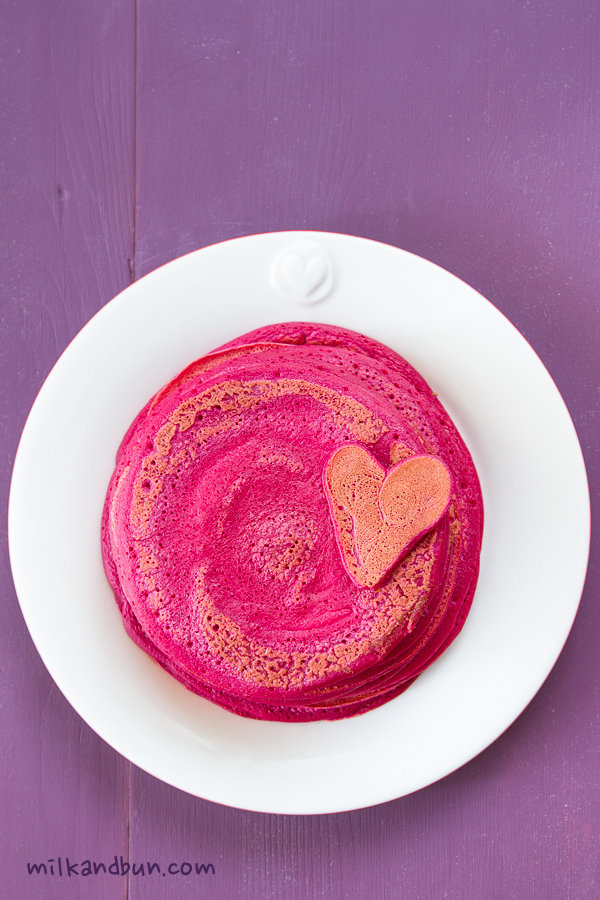
Russian red blini (pancakes)

  For many people St.Valentine Day is red roses, dinner in a restaurant, chocolate desserts and other heart-shape stuff. Does it seems boring only for me? I think, the best way to diversify this ‘red’ day is by trying something new, like eat non-chocolate dessert, or if you always go out this day stay in to cook a decadent dinner for two. Unleash your creativity! It can be flavorsome salmon steaks or roast quails, you can experiment with sauces.. A small change can have a huge effect! 😉Red blini (with heart)

 A perfect St.Valentine Day can be started by serving a late breakfast that will get both of you in the loving mood. Ready to leave an impression? Prepare these amazing Russian red blini (pancakes)!  Beets give pancakes stunning color and delicate sweetness. They are the perfect way to treat those you love! Russian blini

 Next week, starts from Monday, will be one of the brightest and entertaining of Russian holidays – Maslenitsa, or also knows as Butterweek or Pancake Week. It’s celebrated during the last week before Great Lent. It’s the festival with lots of fun, dance, songs and of course huge amount of blini, which is constantly cooked throughout the week. I’ll be posting more about Maslenitsa next week.

Russian red blini

IngredientsRussian blini
130-150g beet, cooked
200-230ml milk, full fat
200ml sparkling mineral water
2 eggs, medium size
a good pinch of salt
2 tsp white sugar, optional
2 tbsp sunflower oil
150-170g plain flour
some oil for frying, if needed
sour cream for garnish, if desired
  • Puree cooked beet with hand blender or in a food processor until smooth. Add milk, water and stir.
  • In a medium bowl, beat eggs with salt and sugar. Add it to the batter along with oil; stir.
  • Sift flour and add it to the batter. Stir to combine.
  • Let the batter rest for 10 minutes.
  • Meanwhile, heat the frying pan and fry thin pancakes as usual. You can make any diameter you like.
  • Serve warm with sour cream or other garnish.
Sweet garnish: sour cream with honey and chopped pear; sweet cottage cheese; mix berries with sweeten condensed milk.
Savory garnish: cured salmon slices; cheese with herbs; ham.
Enjoy!
I’m bringing these lovely and tasty Russian blini to the Angie‘s Fiesta Friday party, co-hosts Suzanne and Sue and to all beautiful ladies! Hope you all have a wonderful St.Valentine day!

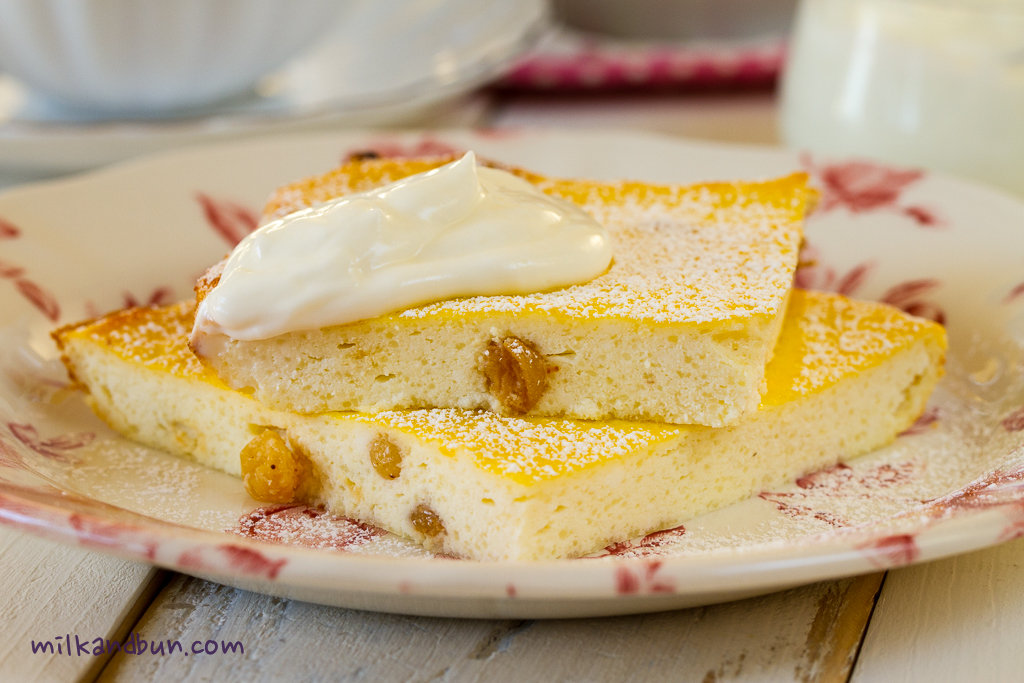
Tvorognaya zapekanka

 Tvorognaya zapekanka literally means a cottage cheese bake. This is a very special treat for me. It reminds my childhood and good time when I was going to the kinder-garden. Some of my friends do not share the same nice memories about the food in a kinder-garden, and even few of them hate any cottage cheese bakes (and not only bakes) and don’t want to believe that it can be so tasty! Thank God, I was luckier and remember not only huge onion chunks in a beef stew 😀 but also good meals, like this sweet cottage cheese bake and delicious plum jam.
 Speaking about tvorog (that’s how we called cottage cheese or farmer cheese in Russia, and it can be both smooth and chunky), I do like it and consume regularly: either as is or adding it to the apple pies and cabbage bakes. So, I’ve tried hundred times to make a bake somewhat childish, and every time it was too liquid or too sweet.. Finally, here it is! The bake is perfect! The only notice, maybe next time I will use a smaller baking dish to make the cottage cheese bake higher.
Russian cottage cheese bake

Russian sweet cottage cheese bake

  • Servings: 3-4
  • Print
If you’ve got a chunky and dry cottage cheese – push it through a sieve or stir with electric blender into a smooth mixture.
IngredientsCottage cheese bake
450-500g cottage cheese
40g butter, melted
2 medium eggs
3 tbsp white caster sugar
2 tbsp semolina (I used coarse, but fine is ok, too)
2-3 tbsp milk, warm
3 tbsp sour cream
a pinch of salt
1 tsp vanilla extract or any other vanilla
50g raisins/currants
Glaze (optional)
1 egg yolk
1tsp icing sugar
Garnish
sour cream or sweet condensed milk
icing sugar, if desired
Method
  • In a small cup, soak semolina in warm milk for 5 minutes. Add sour cream and mix well.
  • In a other small cup, soak raisins in hot black tea or water for 5 minutes. Drain and set aside.
  • In a bowl, beat eggs with sugar and salt until pale and creamy, allow sugar to dissolve.
  • In a large bowl, smooth cottage cheese with a folk or electric blender, add butter and mix. Add beaten eggs and vanilla, mix to combine. Add semolina and raisins, and combine.
  • Grease the baking dish with some butter or oil, pour the mixture in and bake in preheated 200C oven for 25 minutes. At this step check the color of your bake: if its top is still pale, brush the bake with glaze and put the dish back into the oven for 15 minutes or until golden-brown; if top is already golden-brown, omit the glaze and bake for 10-15 minutes more.
  • Cut the cottage cheese bake into slices. Serve warm or cold with a dollop of sour cream, if desired. It’s also tasty to pour over some sweet condensed milk (instead of sour cream).
Enjoy!

1 19 20 21 30